books like silo
Books Like Silo and Wool: 13 Sealed-World Dystopias to Read Next

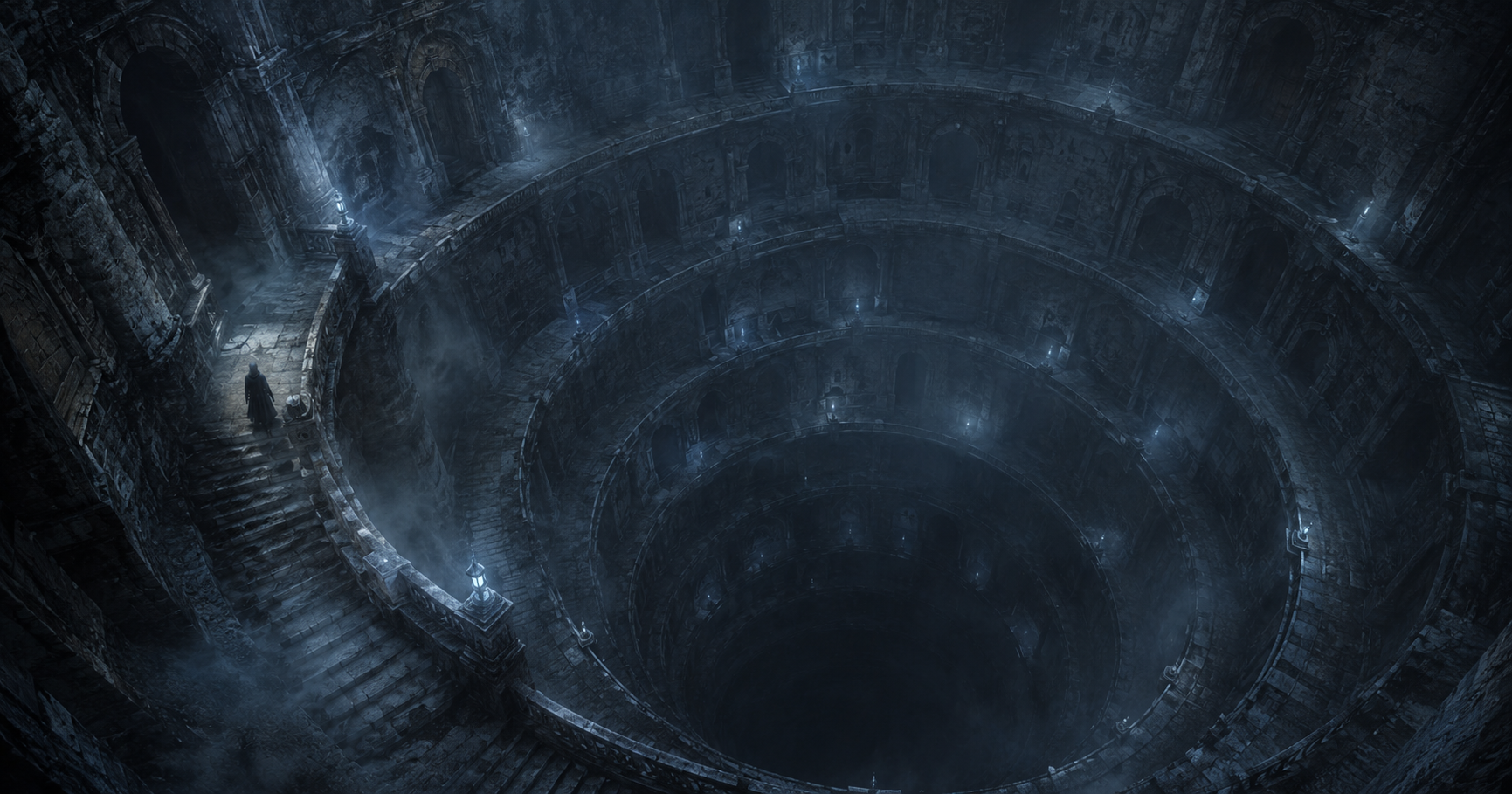
There is a specific moment every Silo fan reaches. You have finished Wool, Shift and Dust, or you are deep in the show and it is feeding you one episode a week, and the itch will not wait that long. It is a precise itch, too. Silo is really three hungers braided together: a sealed society running on rules nobody is allowed to question, the slow, sick suspicion that everything you have been told about the world outside is a lie, and the long excavation of how the world actually ended, and who decided that it should. Most readalike lists answer all that by recommending Wool to people who have just finished Wool. This one assumes you are well past that. Below are thirteen sealed-world dystopias, grouped by which of those three hungers is loudest right now. A note on what is not here: the soft, optimistic dystopias where the system turns out to be benevolent and the hero just needed to understand it. Silo does not work that way, and neither does this list. Every book below treats the closed world as something built, by someone, for a reason. Start wherever the itch is worst. The full reading journal has more when you surface. Prefer dystopia that still believes in people? See hopeful dystopian books.
If it is more Howey you want
Sand by Hugh Howey. Another buried world, this time not sealed under concrete but drowned beneath endless dunes, where divers sink into the sand to salvage the ruins of the old world below. It carries the same Howey signature as Silo: ordinary people in a hostile, enclosed environment, a society organised entirely around scarcity, and the steady pull of a buried truth. If what you love is his particular blend of grounded survival and creeping revelation, this is the obvious next stop, and it stands completely on its own. The dunes give it a heat and a grit the silos never had, but the bones underneath are unmistakably the same. Published 2014.
Beacon 23 by Hugh Howey. Isolation distilled to its purest form: one damaged man, alone in a lighthouse in deep space, slowly coming apart. It trades the crowded silo for total solitude, but it keeps Howey’s fascination with how confinement reshapes a mind, and with how much of what we are told is supposedly for our own good. Also adapted for television, it is a short, sharp read for when you want the claustrophobia of Silo without the crowd around you. It is also the most openly philosophical thing he has written, circling duty, grief, and the question of who really benefits from the stories we are handed. Published 2015.
For the sealed world and the rules that keep it
Pines by Blake Crouch. A federal agent wakes in an idyllic small town he cannot leave, ringed by electrified fences and governed by rules that make no sense, until the truth lands like a hammer. The first of the Wayward Pines trilogy, it is the closest thing on this list to Silo’s exact engine: a controlled population, an enforced story, and a man who cannot stop pulling the thread no matter what it costs him. Fast, twisty, and built for the reader who came for the mystery of the sealed world. Read it before the television version spoils the turn, because the turn is the entire point. Published 2012.
We by Yevgeny Zamyatin. The original sealed city: a glass metropolis where citizens live by the clock, numbered rather than named, watched through transparent walls. Written in the early 1920s, it is the novel both Orwell and Huxley learned from, the root of every enclosed-society story since, Silo very much included. It is colder and stranger than its descendants, but if you want to see where the genre’s whole obsession with the sealed world began, start at the source. Be warned that its strangeness is deliberate: it reads like a fever, which is exactly why it has outlasted almost everything it went on to inspire. Published 1924.
Metro 2033 by Dmitry Glukhovsky. After the bombs, humanity survives in the tunnels of the Moscow metro, each station its own fragile little society, the irradiated surface a death sentence for anyone who dares climb to it. It captures the texture of life sealed underground better than almost anything: the politics, the scarcity, the myths that grow in the dark. For the lived-in claustrophobia of Silo scaled up to a whole subterranean civilisation, this delivers in full. The video games made it famous, but the novel is bleaker and more thoughtful than any of them. Published 2005.
For the lie about what is outside
Non-Stop by Brian Aldiss. A tribal people live in endless, overgrown corridors, fighting and foraging through the green, until one man begins to ask what the corridors actually are and where they might lead. It is the definitive the-world-is-not-what-they-told-you novel, the purest distillation of Silo’s central reveal, written decades ahead of it. If the moment you live for is the floor dropping out from under a character’s entire understanding of their world, read this one. It is short, fierce, and so far ahead of its time that later writers spent decades catching up to it. Published 1958.
The Passage by Justin Cronin. Generations after an engineered catastrophe, a small colony survives behind floodlights under inherited rules, terrified of the dark beyond the fence and the things that move in it. It shares Silo’s deepest fear: a population kept alive by a story about the outside that no one now living remembers questioning. Epic in scale and genuinely frightening, it is the book to reach for when you want the sealed world blown out to continental size. It is the first of a trilogy, so there is plenty more waiting once the colony’s fragile order finally cracks open. Published 2010.
For how the world really ended
Oryx and Crake by Margaret Atwood. The end of the world told in layers, narrated by a man who watched a brilliant friend decide, coldly and deliberately, to end it. It answers the question that haunts the back half of the Silo trilogy: not simply that the world ended, but that someone chose it, and engineered it. For the reader gripped by the how and the who of the collapse, this is the sharpest and most human account of an apocalypse made on purpose. It opens a trilogy, but the first book alone is a complete and devastating answer to how we might do this to ourselves. Published 2003.
A Canticle for Leibowitz by Walter M. Miller Jr. Civilisation’s memory is kept alive in fragments by monks across centuries, as humanity hauls itself out of one dark age only to walk straight toward the next. It is the long view of collapse that Shift only gestures at: how knowledge is lost, hoarded, and misremembered, and how the same mistakes circle back around. Patient and profound, it is for the reader who loves the deep-time machinery humming under the silos. It won the Hugo Award for good reason, and more than sixty years on it still reads like nothing else on this list. Published 1959.
On the Beach by Nevil Shute. The quietest apocalypse ever written: in the aftermath of a nuclear war, the people of Australia wait for the fallout to drift south to them, and decide how to spend the time they have left. There is no rebellion and no escape, only the unbearable dignity of ordinary life lived under a sentence. For the melancholy running beneath Silo, the grief for a world already gone, nothing else comes close. It is gentle and merciless at once, and it will sit with you long after the louder books have faded. Published 1957.
For the forbidden questions and the quiet rebellion
Fahrenheit 451 by Ray Bradbury. A society that has chosen to burn its own memory, and a fireman whose job is to start the fires, right up until he opens one of the books he is meant to destroy. It is the cleanest fable on this list about a system that survives precisely by controlling what people are allowed to know, and the single person who simply stops obeying. For the forbidden-knowledge strand of Silo, this is the foundation text. Short enough to finish in a single sitting, it has only grown sharper and more relevant with every passing decade. Published 1953.
The Memory Police by Yoko Ogawa. On an unnamed island, things quietly disappear, hats, birds, whole categories of object, and the people simply forget they ever existed, so that remembering becomes a crime the authorities exist to punish. It is erasure as governance, dread delivered in a whisper rather than a shout. For the part of Silo about a state that decides what may be known and what must be forgotten, this is the most haunting cousin of all. Quiet, dreamlike, and profoundly sad, it was a finalist for the International Booker Prize, and it lingers like a half-remembered dream. Published 1994 (English translation 2019).
One more, out now
Still Here by Dominic Roworth. Here is the honest bridge. If the part of Silo that truly grips you is the dawning realisation that the world did not simply end, that someone ended it and then built a system to keep the survivors from ever asking why, then Still Here is a series built entirely on that question. It is Book One of The Last Hand: a fallen, overgrown America two hundred years after a collapse that was really a coup, ruled by the cabal who ended the world on purpose, and a boy climbing toward the room where they meet. Grounded, no magic, every horror and wonder kept human. It is the book for the reader who closed Dust still turning the real question over: not how do they get out, but who did this, and how do they keep everyone from asking. Read the opening chapter free, then get Still Here on Amazon. Out now.
What every great sealed-world story shares
Strip these books back and the same three bones are always there: a closed system that runs on routine, a rule nobody is allowed to question, and a truth buried in the foundations that the whole structure exists to hide. Silo works because it braids all three and pays each of them off in turn. Once you can see the shape, you can choose your next read on purpose: pick the sealed world when you want the claustrophobia, the lie about outside when you want the reveal, the ended world when you want the grief and the history. If your taste runs to systems rigged on purpose and the propaganda that keeps them standing, the books about propaganda and rigged systems are the next shelf along, and adult books like Red Rising cover the other great underground-and-lied-to story. Bookmark this guide too, because the sealed-world shelf keeps growing, especially while the show is on the air, and it is updated as new titles earn their place on it. The genre keeps digging up new silos, and there is always another floor below the one you are standing on.
Frequently asked questions
- Is Silo based on a book?
- Yes. The Apple TV+ series Silo is based on the Silo trilogy by Hugh Howey: Wool, Shift and Dust. It began life as a self-published short story in 2011 that grew into one of the most successful independent science-fiction series ever written.
- How many Silo books are there?
- There are three core novels: Wool, Shift and Dust, along with several accompanying short stories and novellas set in the same world. Wool is the entry point, Shift is the prequel about how the silos came to be, and Dust closes out the trilogy.
- What should I read after the Silo trilogy?
- For more from Hugh Howey himself, read Sand, another buried-world dystopia. Beyond him, Pines by Blake Crouch delivers the same sealed-town-with-rules dread, and Non-Stop by Brian Aldiss is the classic the-world-is-not-what-they-told-you novel that Silo descends from.
- books like silo
- books like wool
- dystopian fiction
- science fiction
- reading list
Keep reading
Hopeful Dystopian Books: 13 Brutal Worlds That Still Believe in People
Dystopia without the despair. 13 hopeful dystopian books for adults, grouped by the kind of hope you are after: endurance, rebuilding, tenderness, or connection across time.
Books Like Sunrise on the Reaping: 13 Brutal Reads for Adults
Finished Haymitch's story? 13 brutal adult reads like Sunrise on the Reaping, grouped by what you want more of: the arena, the propaganda, the climb, or the grief.
Want a dystopian series in this exact lineage?
Still Here is Book One of The Last Hand, out now on Amazon. Read the first chapter free, then take the rest with you.
Prefer to sample first? Read Chapter One free.